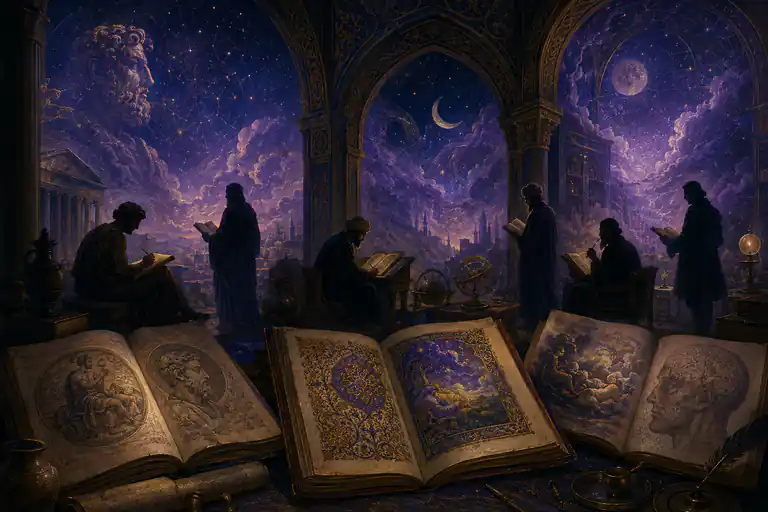
Ancient Oneiric Philosophy: Comparing Persian, Mesopotamian, Chinese, and Greco-Roman Traditions
A journey through the Shahnameh, Avestan lore, Mesopotamian cuneiform tablets, and Zhuangzi’s butterfly dream; contrasting Eastern spiritual cosmology with Western pragmatism.
In antiquity, a dream was never a purely private psychological incident; the fate of dynasties, military invasions, and sacred covenants hung upon royal nocturnal visions. We explore how world civilizations understood the sacred nature of sleep.
How to frame the question: Ancient Oneiric Philosophy: Comparing Persian, Mesopotamian, Chinese, and Greco-Roman Traditions
Dream interpretation is most useful when it begins with a modest claim: a dream is a mental event produced during sleep, not a diagnostic test or a reliable forecast. The topic matters because dream content can preserve concerns, feelings, people, and places that are psychologically salient. A university-level approach therefore asks how neural activation, memory consolidation, emotion regulation, and personal narrative interact. It does not assume that one image has the same meaning for every person.
Emotion is often the most stable bridge between a dream and waking life. Instead of asking only what an object means, ask what was felt before, during, and after the scene. Fear, relief, shame, curiosity, tenderness, or helplessness can narrow the field of interpretation. The same ocean can signify pleasure for a swimmer and danger for someone with a traumatic history. Context-sensitive analysis protects against superstition and makes psychological dream reflection more accountable. Ancient Persia، Mythology، Chinese Philosophy، Zhuangzi، Historical Oneirology.
What sleep research can establish: Ancient Oneiric Philosophy: Comparing Persian, Mesopotamian, Chinese, and Greco-Roman Traditions
Sleep research distinguishes rapid-eye-movement sleep from several non-REM stages, while also showing that dreaming can occur across stages. REM dreams are often vivid and emotionally intense, but stage alone does not determine meaning. Findings about memory reactivation support the idea that recent experience can be reorganized during sleep. They do not prove that every scene is a coded message. Evidence is strongest at the level of mechanisms and group patterns, whereas interpretation of one individual dream remains probabilistic.
A useful method records the dream immediately, identifies its strongest feeling, lists recent experiences connected with that feeling, and generates at least two competing explanations. The dreamer then looks for repeated themes over several weeks rather than treating one night as decisive. This procedure resembles reflective journaling: it organizes experience while preserving uncertainty. Internal links to Razita’s dream journal and symbol explorer can support this process, but the user remains the final authority on personal meaning. Ancient Persia، Mythology، Chinese Philosophy، Zhuangzi، Historical Oneirology.
Emotion, memory, and dream construction: Ancient Oneiric Philosophy: Comparing Persian, Mesopotamian, Chinese, and Greco-Roman Traditions
Continuity models propose that dreams draw on waking concerns, although they transform them through fragmented memory and unusual association. A deadline may return as a missed train; conflict may become a locked door; grief may take the form of a reunion. These examples are hypotheses, not dictionary definitions. The dreamer’s emotion, biography, culture, and present circumstances provide the necessary evidence for deciding whether an interpretation is plausible.
Scientific caution also requires attention to alternative explanations. Medication, fever, sleep deprivation, irregular schedules, trauma, alcohol, and other substances can change dream vividness or recall. People remember dreams selectively, and retrospective reports are vulnerable to reconstruction. A striking coincidence after a dream may feel predictive because matches are noticed more readily than non-matches. Responsible interpretation acknowledges these biases without dismissing the emotional importance of the experience. Ancient Persia، Mythology، Chinese Philosophy، Zhuangzi، Historical Oneirology.
Why symbols require personal context: Ancient Oneiric Philosophy: Comparing Persian, Mesopotamian, Chinese, and Greco-Roman Traditions
Emotion is often the most stable bridge between a dream and waking life. Instead of asking only what an object means, ask what was felt before, during, and after the scene. Fear, relief, shame, curiosity, tenderness, or helplessness can narrow the field of interpretation. The same ocean can signify pleasure for a swimmer and danger for someone with a traumatic history. Context-sensitive analysis protects against superstition and makes psychological dream reflection more accountable.
Dream reflection is not psychotherapy and should not be used to diagnose depression, post-traumatic stress, psychosis, or another disorder. Repeated nightmares, dangerous daytime sleepiness, acting out dreams, or distress that impairs daily life deserves assessment by a qualified clinician. The appropriate goal for a general educational article is literacy: helping readers ask better questions, recognize uncertainty, and use dreams as prompts for reflection rather than commands for action. Ancient Persia، Mythology، Chinese Philosophy، Zhuangzi، Historical Oneirology.
How to interpret without overclaiming: Ancient Oneiric Philosophy: Comparing Persian, Mesopotamian, Chinese, and Greco-Roman Traditions
A useful method records the dream immediately, identifies its strongest feeling, lists recent experiences connected with that feeling, and generates at least two competing explanations. The dreamer then looks for repeated themes over several weeks rather than treating one night as decisive. This procedure resembles reflective journaling: it organizes experience while preserving uncertainty. Internal links to Razita’s dream journal and symbol explorer can support this process, but the user remains the final authority on personal meaning.
The balanced conclusion is that dreams can be meaningful because minds construct them from meaningful materials. That meaning is neither guaranteed nor universal. It emerges through careful comparison between the dream, the dreamer’s life, and established knowledge about sleep and cognition. When dream psychology, sleep science, and respectful self-observation are combined, dream interpretation becomes less sensational and more useful: a disciplined conversation with experience rather than a prediction about the future. Ancient Persia، Mythology، Chinese Philosophy، Zhuangzi، Historical Oneirology.
A practical reflection method: Ancient Oneiric Philosophy: Comparing Persian, Mesopotamian, Chinese, and Greco-Roman Traditions
Scientific caution also requires attention to alternative explanations. Medication, fever, sleep deprivation, irregular schedules, trauma, alcohol, and other substances can change dream vividness or recall. People remember dreams selectively, and retrospective reports are vulnerable to reconstruction. A striking coincidence after a dream may feel predictive because matches are noticed more readily than non-matches. Responsible interpretation acknowledges these biases without dismissing the emotional importance of the experience.
Dream interpretation is most useful when it begins with a modest claim: a dream is a mental event produced during sleep, not a diagnostic test or a reliable forecast. The topic matters because dream content can preserve concerns, feelings, people, and places that are psychologically salient. A university-level approach therefore asks how neural activation, memory consolidation, emotion regulation, and personal narrative interact. It does not assume that one image has the same meaning for every person. Ancient Persia، Mythology، Chinese Philosophy، Zhuangzi، Historical Oneirology.
Limits and clinical cautions: Ancient Oneiric Philosophy: Comparing Persian, Mesopotamian, Chinese, and Greco-Roman Traditions
Dream reflection is not psychotherapy and should not be used to diagnose depression, post-traumatic stress, psychosis, or another disorder. Repeated nightmares, dangerous daytime sleepiness, acting out dreams, or distress that impairs daily life deserves assessment by a qualified clinician. The appropriate goal for a general educational article is literacy: helping readers ask better questions, recognize uncertainty, and use dreams as prompts for reflection rather than commands for action.
Sleep research distinguishes rapid-eye-movement sleep from several non-REM stages, while also showing that dreaming can occur across stages. REM dreams are often vivid and emotionally intense, but stage alone does not determine meaning. Findings about memory reactivation support the idea that recent experience can be reorganized during sleep. They do not prove that every scene is a coded message. Evidence is strongest at the level of mechanisms and group patterns, whereas interpretation of one individual dream remains probabilistic. Ancient Persia، Mythology، Chinese Philosophy، Zhuangzi، Historical Oneirology.
Key conclusion: Ancient Oneiric Philosophy: Comparing Persian, Mesopotamian, Chinese, and Greco-Roman Traditions
The balanced conclusion is that dreams can be meaningful because minds construct them from meaningful materials. That meaning is neither guaranteed nor universal. It emerges through careful comparison between the dream, the dreamer’s life, and established knowledge about sleep and cognition. When dream psychology, sleep science, and respectful self-observation are combined, dream interpretation becomes less sensational and more useful: a disciplined conversation with experience rather than a prediction about the future.
Continuity models propose that dreams draw on waking concerns, although they transform them through fragmented memory and unusual association. A deadline may return as a missed train; conflict may become a locked door; grief may take the form of a reunion. These examples are hypotheses, not dictionary definitions. The dreamer’s emotion, biography, culture, and present circumstances provide the necessary evidence for deciding whether an interpretation is plausible. Ancient Persia، Mythology، Chinese Philosophy، Zhuangzi، Historical Oneirology.
Sources and further reading
Experience Your Own Dream Analysis
Connect your nocturnal visions with the scientific insights of Freud, Jung, and classical interpreters. Test Razita's conversational simulator right now.
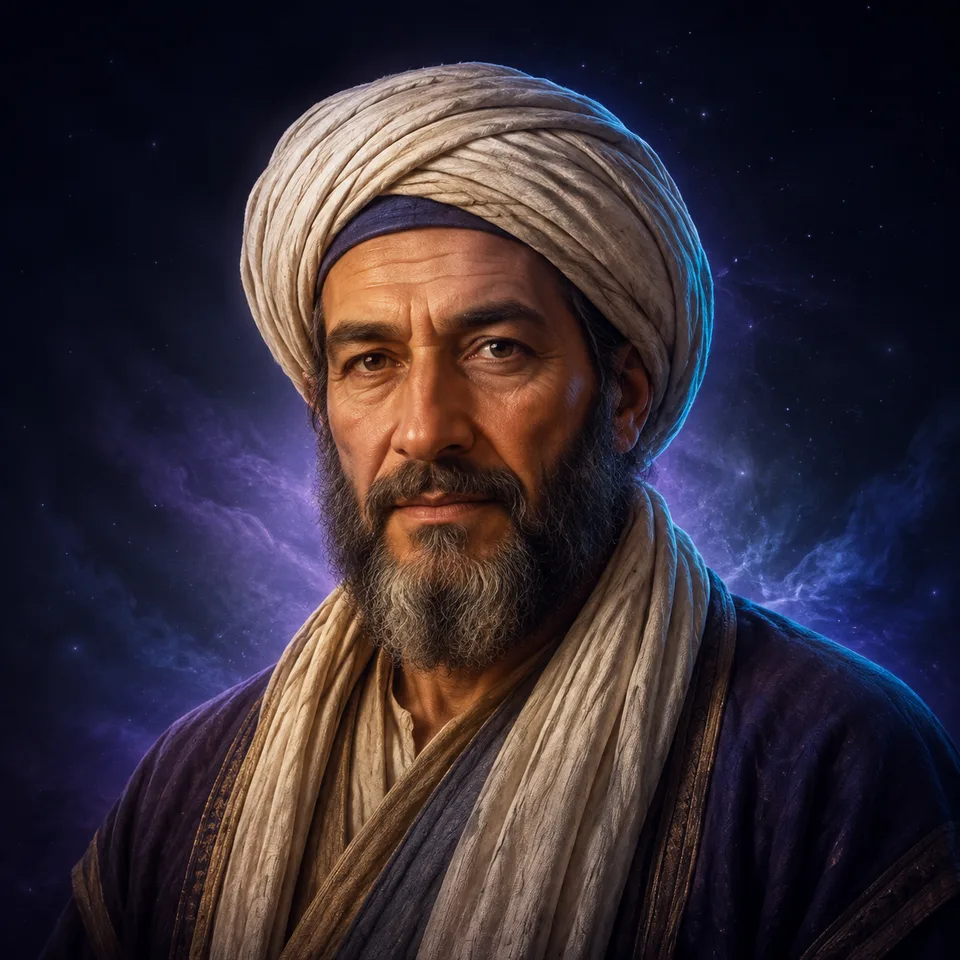
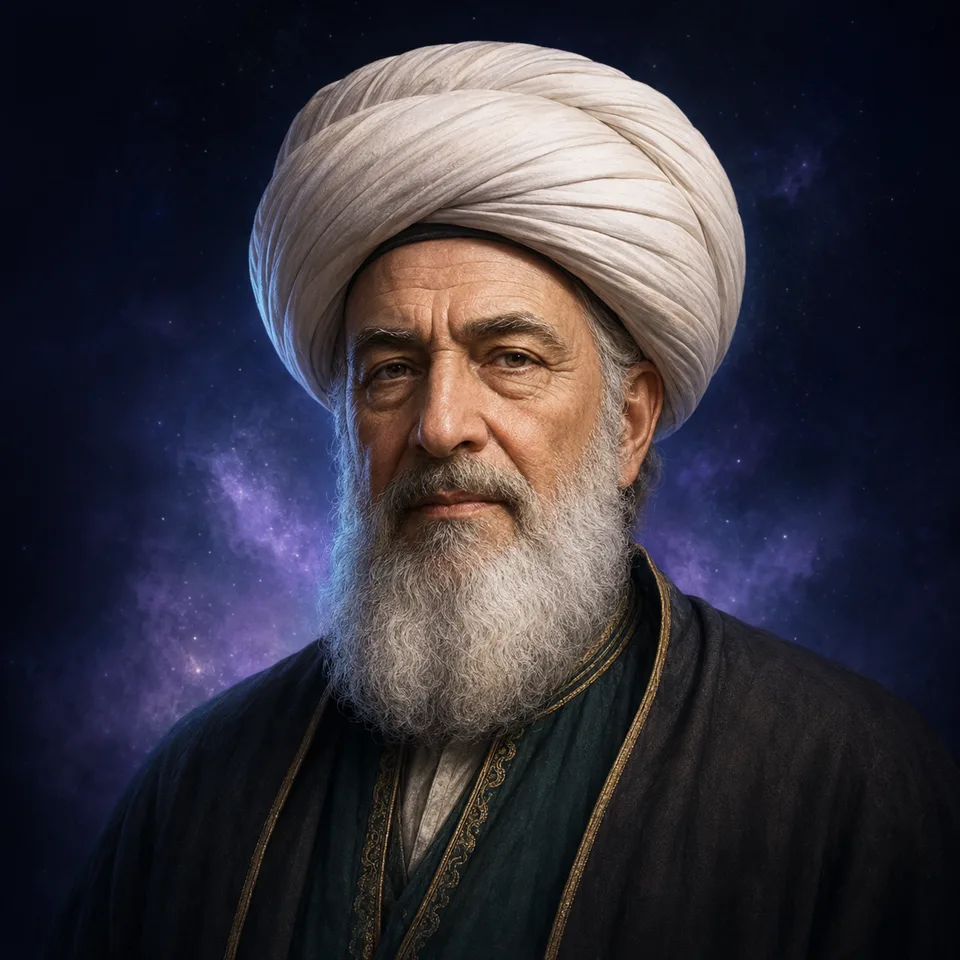
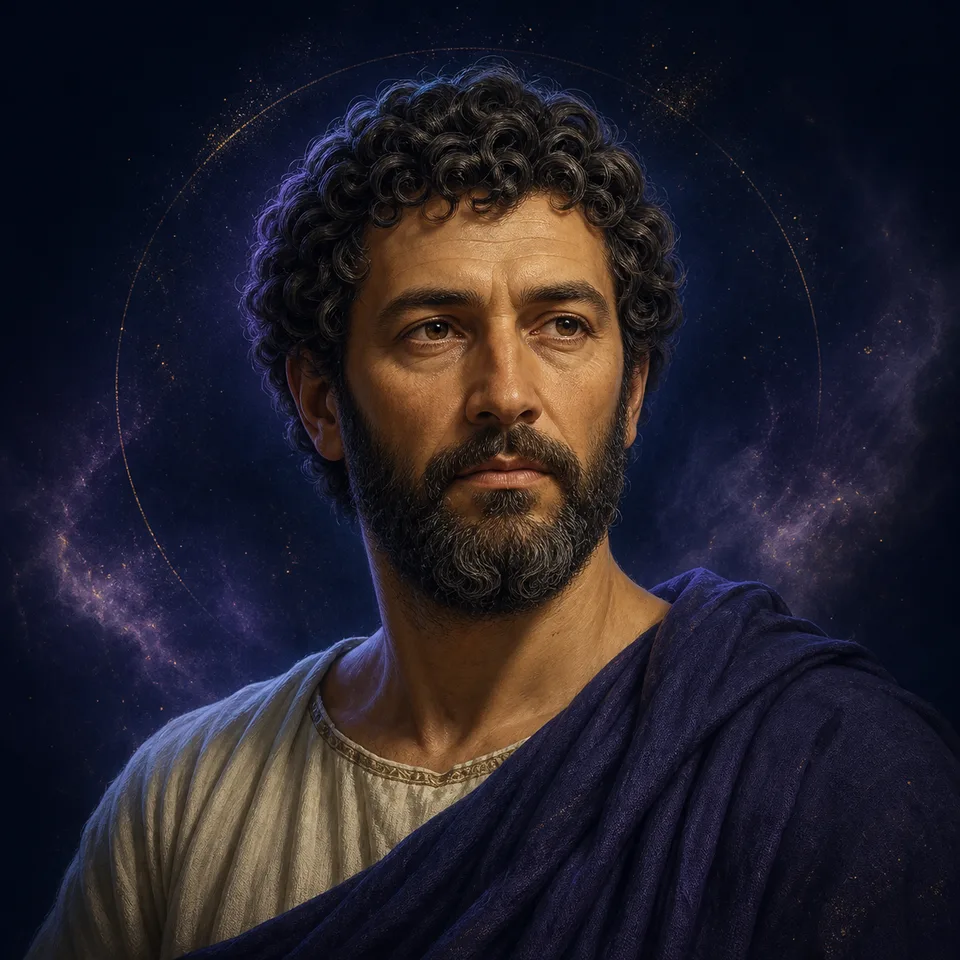
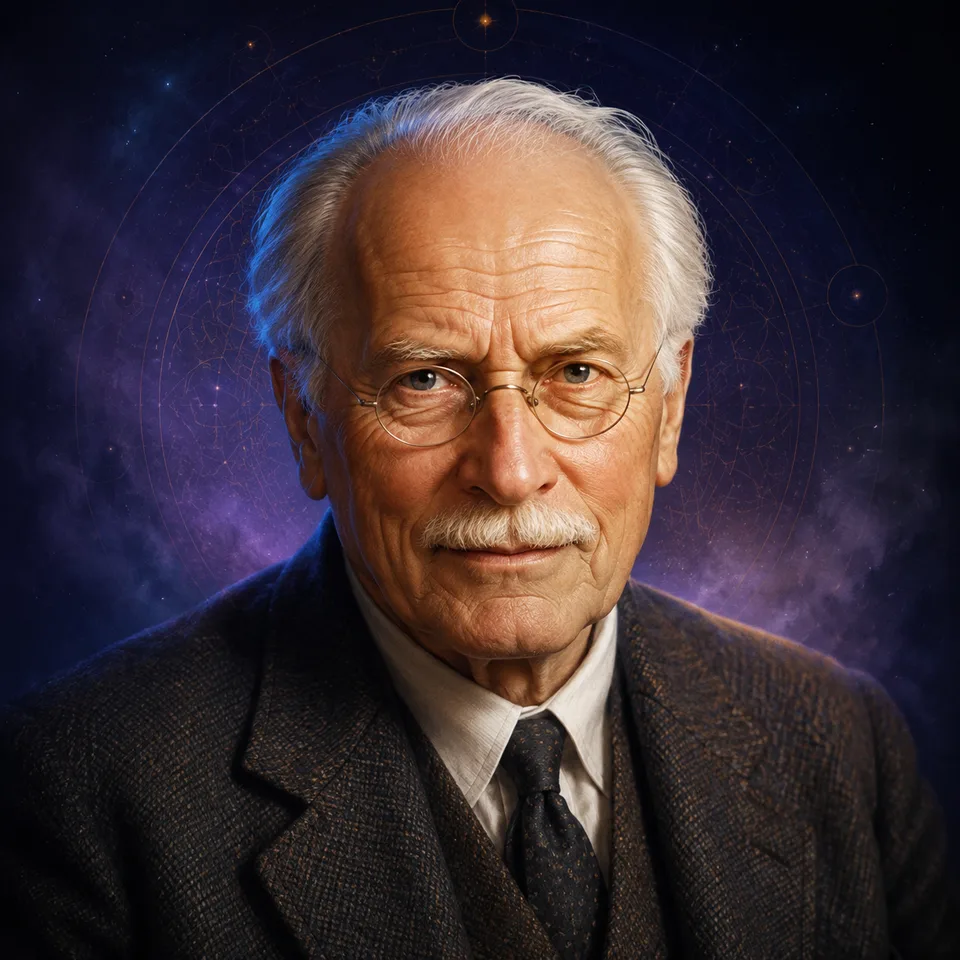
✦ Interpreters & Schools Discussed in this Article
The theoretical frameworks of these thinkers provide foundation for this analysis:
✦ Key Dream Symbols Mentioned
In-depth psychological and historical interpretations of symbols featured in this article: