The Most Renowned Dream Interpreters in Human History: From Artemidorus & Ibn Sirin to Freud & Jung
A profound journey across millennia examining the six immortal schools of dream interpretation; their methodology, reasoning frameworks, and timeless epistemological legacy.
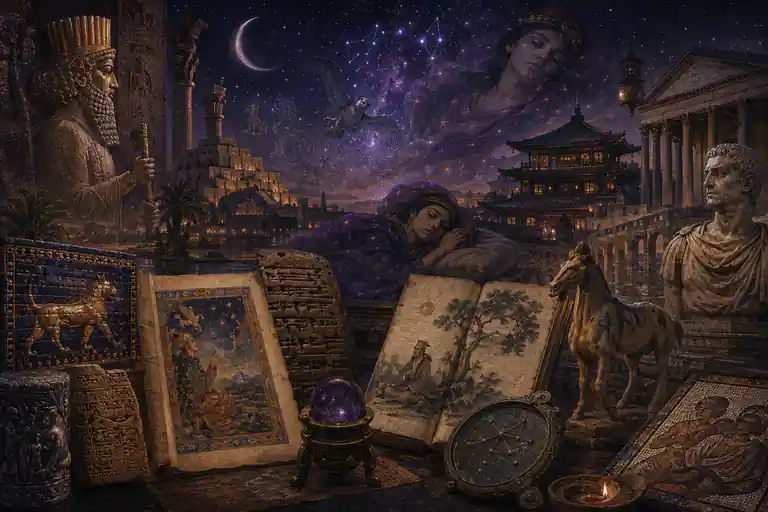
Since the very dawn of organized human consciousness, our ancestors gazed upon the nocturnal visions of sleep with reverence, dread, and philosophical wonder. Across the temple complexes of ancient Sumer, Babylon, the fertile Nile valley, the philosophical academies of classical Greece, the golden age of Islamic scholarship, and modern European psychoanalysis, dreams were revered as sacred apertures into the unspoken realms of the soul. In this extensive historical thesis, we dissect the methodologies and philosophies of the most distinguished masters of oneirology who shaped civilization.
1. The Prophet Daniel and the Ancient Babylonian Predictive Tradition
In the royal courts of ancient Mesopotamia, dreams were treated as celestial communiqués and imperial omens. When court astrologers and soothsayers failed to unravel the dread-inducing visions of Babylonian sovereigns, the Prophet Daniel emerged as the supreme paradigm of spiritual discernment and ethical interpretation.
Daniel’s interpretive school was fundamentally rooted in moral accountability and systemic insight rather than mechanical superstition. He decoded dreams as profound warnings regarding the balance of justice, the transient nature of mortal empires, and the inescapable consequences of arrogance. This established an ethical tradition throughout the Near East where one's nocturnal symbols mirrored one's moral station.
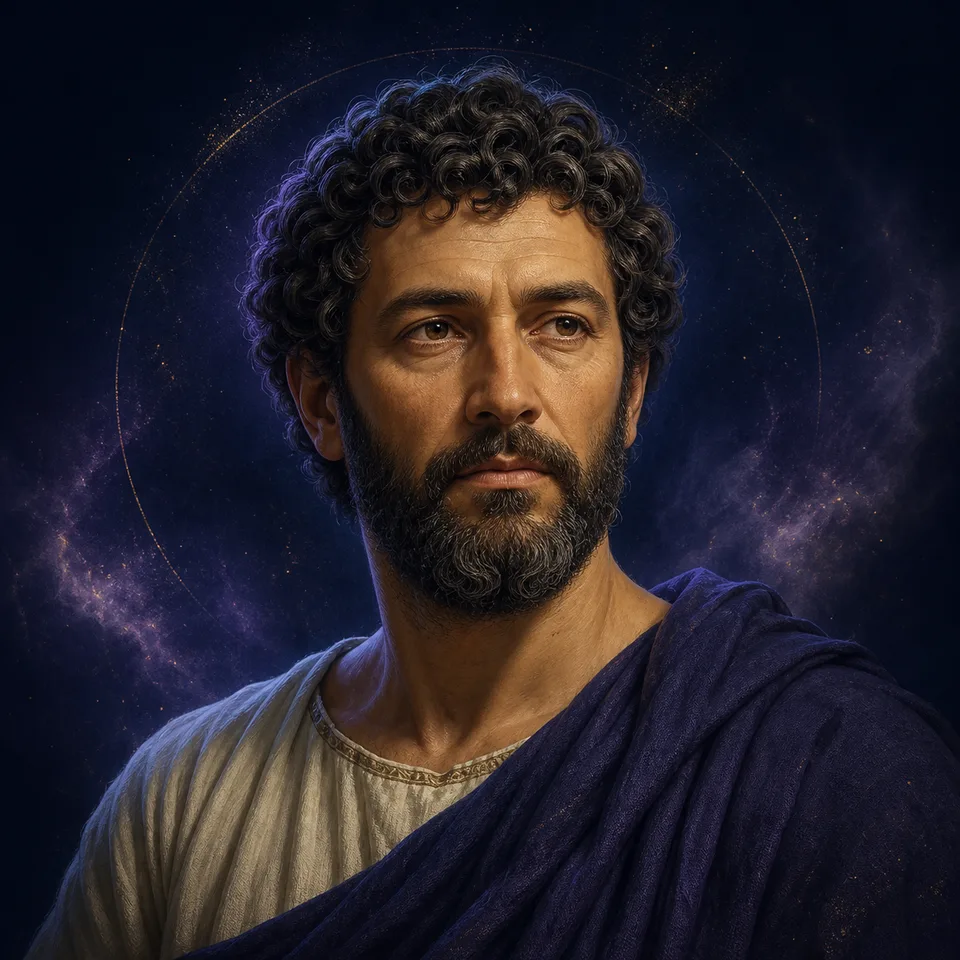
2. Artemidorus Daldianus: The Pioneer of Empirical Oneirology (2nd Century CE)
In late second-century Greece and Asia Minor, a seminal figure arose whose magnum opus, Oneirocritica (The Interpretation of Dreams), served as the foundational bedrock of Western dream analysis for over eighteen centuries: Artemidorus Daldianus.
Artemidorus’ revolutionary contribution lay in emancipating dream interpretation from sorcery and establishing it as an empirical, contextual science. He established an inviolable axiom that remains vital in modern cognitive psychology:
"Never interpret a vision in isolation from the dreamer’s character, vocation, physical age, social standing, domestic state, and customary habits. The felling of an ancient oak foretells agricultural ruin for a husbandman, the subversion of state authority for a ruler, but impending physical mortality for a feverish invalid."
Over decades of arduous travel across the Roman Empire, interrogating thousands of gladiators, legionnaires, philosophers, and seafarers, Artemidorus cataloged recurring symbolic configurations, laying down the first systematic taxonomy of psychic visions.
3. Muhammad Ibn Sirin: The Luminary of Classical Semiotics
Muhammad Ibn Sirin al-Ansari (7th–8th Century CE) of Basra stands as the undisputed titan of semiotic dream discernment in the Islamic tradition. His attributed compendium, Ta'bir al-Ru'ya, is grounded upon profound linguistic nuance, scriptural allegory, folk idioms, and astute interpersonal observation.
Ibn Sirin insisted upon extensive personal colloquy before rendering any judgment, probing the querent's financial obligations, emotional temperament, and ethical integrity. It is famously recorded that two distinct men approached him in a single afternoon, each recounting identical imagery: "I dreamt I proclaimed the call to prayer (Adhan) from a high minaret."
To the first, Ibn Sirin announced auspicious tidings of an impending pilgrimage of honor; to the second, he warned of imminent apprehension for grand larceny. When his bewildered disciples inquired regarding these antithetical verdicts for identical visions, Ibn Sirin elucidated: "In the countenance of the former, I perceived the light of piety, calling to mind the verse: 'And proclaim unto humanity the pilgrimage.' In the eyes of the latter, I detected malice, recollecting the verse: 'Then a crier proclaimed: O caravan! Verily ye are thieves.'"
4. Shaykh Abd al-Ghani al-Nabulsi: The Mystical & Encyclopedic Synthesis
In 18th-century Damascus, the eminent Sufi master and poet Shaykh Abd al-Ghani al-Nabulsi authored the monument Ta'tir al-Anam fi Ta'bir al-Manam (Perfuming Humanity in Dream Interpretation). Nabulsi revolutionized oneiric lexicons by introducing an accessible alphabetical encyclopedia of thousands of symbols, fauna, and vocations.
Nabulsi approached dreams through an illuminative mystical prism. To him, water, birds, towers, and incandescent lamps were not merely transactional forewarnings of earthly commerce; they reflected ascending stations of spiritual purification, the polishing of the heart's mirror, and deliverance from earthly attachment.
5. Gustavus Hindman Miller: The Practical Western Symbolist (1901)
On the threshold of the twentieth century, Gustavus Hindman Miller published in the United States his timeless compendium, 10,000 Dreams Interpreted. Miller’s methodology mirrored Anglo-American pragmatic rationalism, treating nocturnal impressions as functional forecasts concerning financial ventures, domestic fidelity, health precautions, and social repute.
His analytical directives were concise and immediately applicable: a vessel sailing smoothly on glassine waters promised mercantile expansion; an identical vessel battered by stormy squalls warned against high-risk speculation. Miller’s work remains the most widely referenced practical dream dictionary across the English-speaking world.
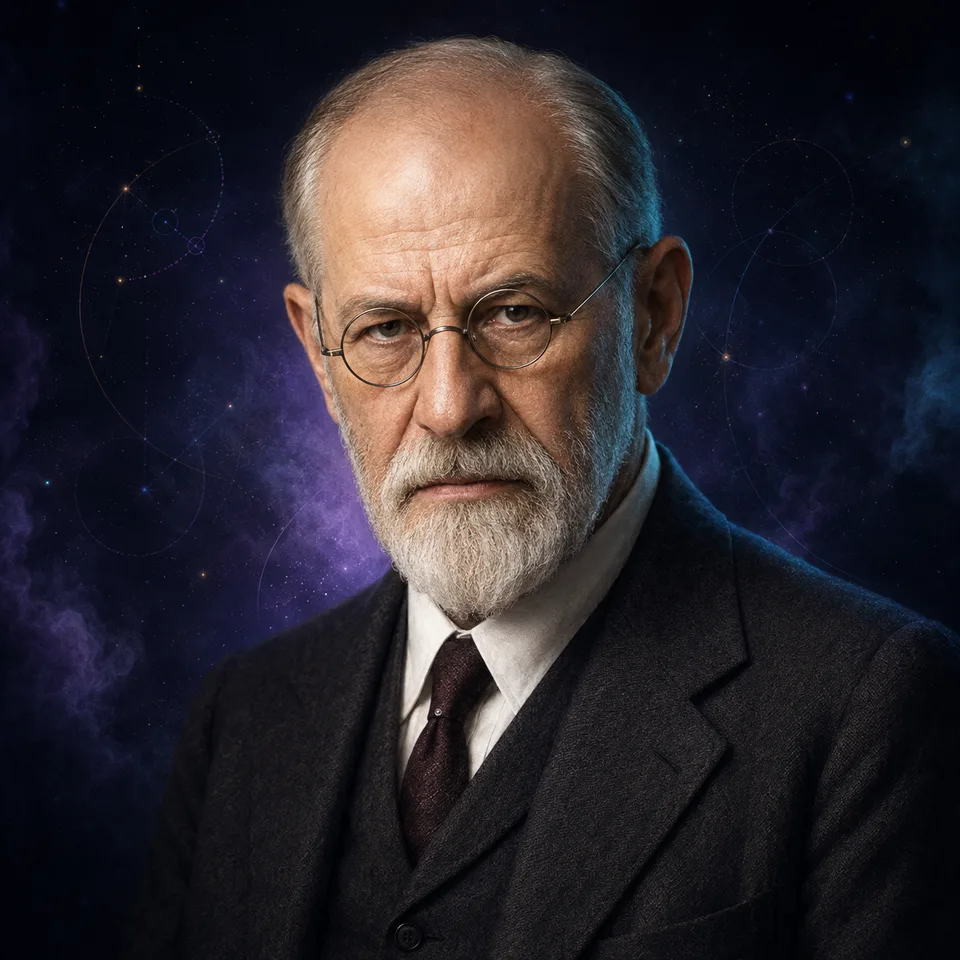
6. Sigmund Freud: The Unconscious and Latent Desire
In November 1899, the publication of Sigmund Freud’s Die Traumdeutung (The Interpretation of Dreams) caused an intellectual earthquake. Freud famously declared dreams to be the "Royal Road to the Unconscious" (Via Regia).
In Freud's model, dreams are the disguised fulfillments of repressed, socially inadmissible wishes. During sleep, as the vigilant censorship of the waking ego relaxes, forbidden impulses masquerade in symbolic disguises through two primary oneiric mechanisms:
- Condensation (Verdichtung): Several disparate memories, fears, or individuals coalescing into a single composite figure.
- Displacement (Verschiebung): Transferring explosive emotional significance from an intolerable trauma onto a trivial, seemingly harmless domestic object.
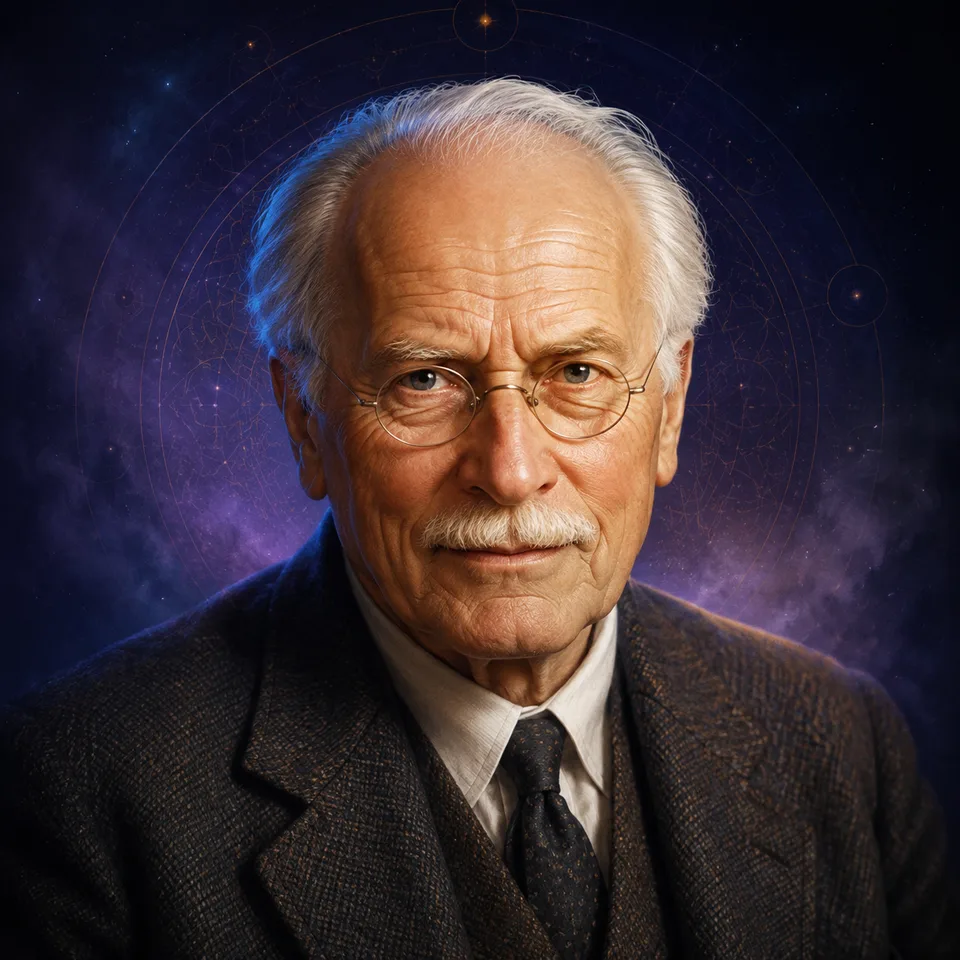
7. Carl Gustav Jung: Archetypes and the Collective Unconscious
Carl Gustav Jung decisively parted paths with Freud to forge Analytical Psychology. Jung rejected the notion that dreams are merely wastebaskets of past repressions; rather, he identified dreams as prospective, compensatory, and teleological instruments of healing designed to guide the soul toward Individuation.
Jung revealed that beneath personal biographical memory lies the vast ocean of the Collective Unconscious, populated by primordial archetypes shared by all human cultures:
- The Shadow: The denied, unacknowledged dimensions of the self, frequently manifesting as an ambiguous, pursuing adversary.
- Anima & Animus: The counter-sexual soul image mediating between the conscious ego and the boundless unconscious.
- The Wise Guide / The Self: The transcendent archetype of unity, psychological wholeness, and spiritual orientation.
Conclusion: Modern Synthesis in the Era of Razita AI
In Razita, we recognize that these six historical giants are not contradictory rivals, but complementary facets of a multifaceted crystal. By fusing classical rigorous semiotics with contemporary cognitive archetypal mapping, Razita empowers you to decipher the language of your nocturnal visions with unprecedented clarity, dignity, and depth.
Experience Your Own Dream Analysis
Connect your nocturnal visions with the scientific insights of Freud, Jung, and classical interpreters. Test Razita's conversational simulator right now.
✦ Interpreters & Schools Discussed in this Article
The theoretical frameworks of these thinkers provide foundation for this analysis:
✦ Key Dream Symbols Mentioned
In-depth psychological and historical interpretations of symbols featured in this article: