What Psychology Says About Dream Symbols
Why do certain people, places and objects appear in dreams? Explore what psychology and dream research say about memory, emotion, personal associations and dream symbols.
A locked door, an ocean, a snake, a former partner, a childhood house: dreams often contain images that feel symbolic.
But psychology gives us an important reason to be careful before translating those images into fixed definitions.
The same image can be connected to very different memories, emotions, and experiences in different people. As detailed in our foundational study on why dream symbols do not have one universal meaning, symbols are fluid representations rather than rigid static codes.
Modern dream research therefore gives us stronger reasons to examine context and personal association than to assume that every dreamer shares the same symbolic code.
Dreams Often Borrow From Waking Life
One recurring finding in dream research is continuity between waking life and dreaming.
People, activities, concerns, emotions, and experiences from waking life can appear in dreams, although they are often transformed or combined in unusual ways.
This means that when an object appears in a dream, one useful question is not simply:
What does this object symbolize?
but:
Why might my mind have selected this particular object?
That shifts interpretation from a dictionary model to a psychological-context model.
Personal Associations Matter
Imagine three people dream about an airplane.
For one person, airplanes are connected with exciting holidays.
For another, they are associated with a frightening experience.
For a pilot, aircraft may be part of everyday professional life.
The visual symbol is identical.
The psychological context is not.
Research on dreaming also suggests that waking concerns and emotional involvement influence what becomes incorporated into dreams. Looking into the scientific evidence for dream interpretation confirms that cognitive incorporation is selective and autobiographical.
This makes personal associations especially relevant.
Dreams Are Not Exact Replays of Memory
Dreams frequently contain fragments that can be related to waking life, but those fragments may be recombined.
A person from ten years ago can appear in the house where you currently live.
A workplace can suddenly become a school.
A conversation can include someone who was never present.
Research into memory and dreaming suggests that sleep involves memory reactivation and reorganization, while dream experience may reflect parts of those processes.
So a dream image may sometimes be better understood as part of a network of associations rather than as a coded message.
Emotion May Be More Informative Than the Object
Suppose two people dream about deep water.
The first person feels peaceful.
The second is terrified.
A dream dictionary that assigns both dreams the same meaning ignores perhaps the most important difference. This illustrates the acute limits of fixed dream dictionaries when stripped of affective nuance.
Dreams commonly contain strong emotions, and emotional waking experiences can influence dream content. Research also finds important relationships between sleep and emotional processing, although the exact function of dreaming itself remains an active research question.
When reflecting on a dream, ask:
- What emotion dominated the dream?
- Did that emotion change?
- Was the dreamer approaching or avoiding something?
- Did the emotional response resemble anything happening while awake?
Often, these questions provide more psychological information than the object alone.
Culture Can Change the Meaning of a Symbol
Symbols do not exist outside culture.
Religious traditions, stories, family beliefs, language, media, and local customs influence the associations people develop.
Studies comparing dream content across populations have found both shared features and meaningful differences.
A culturally important animal, place, color, or ritual may carry associations for one person that are absent for another.
That makes a universal symbol dictionary particularly difficult to justify scientifically.
Freud, Jung and Modern Psychology
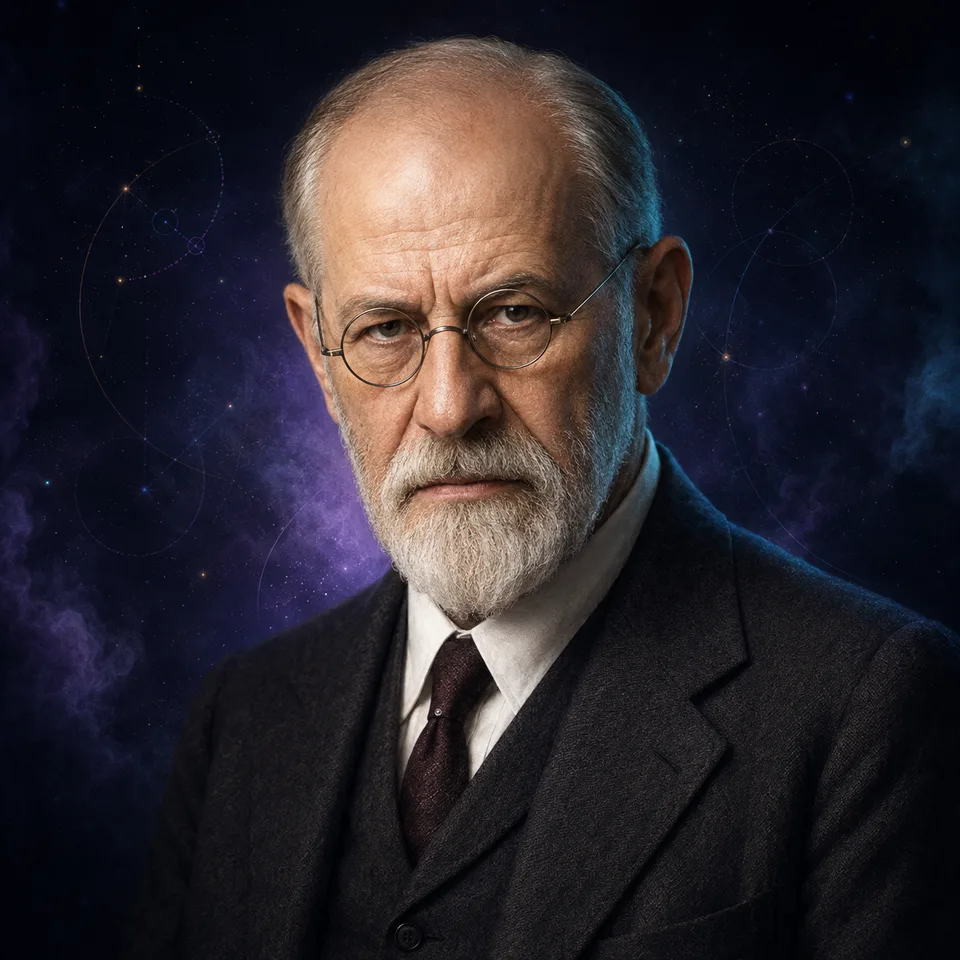
Freud emphasized unconscious wishes, conflicts, and transformations between latent and manifest dream content.
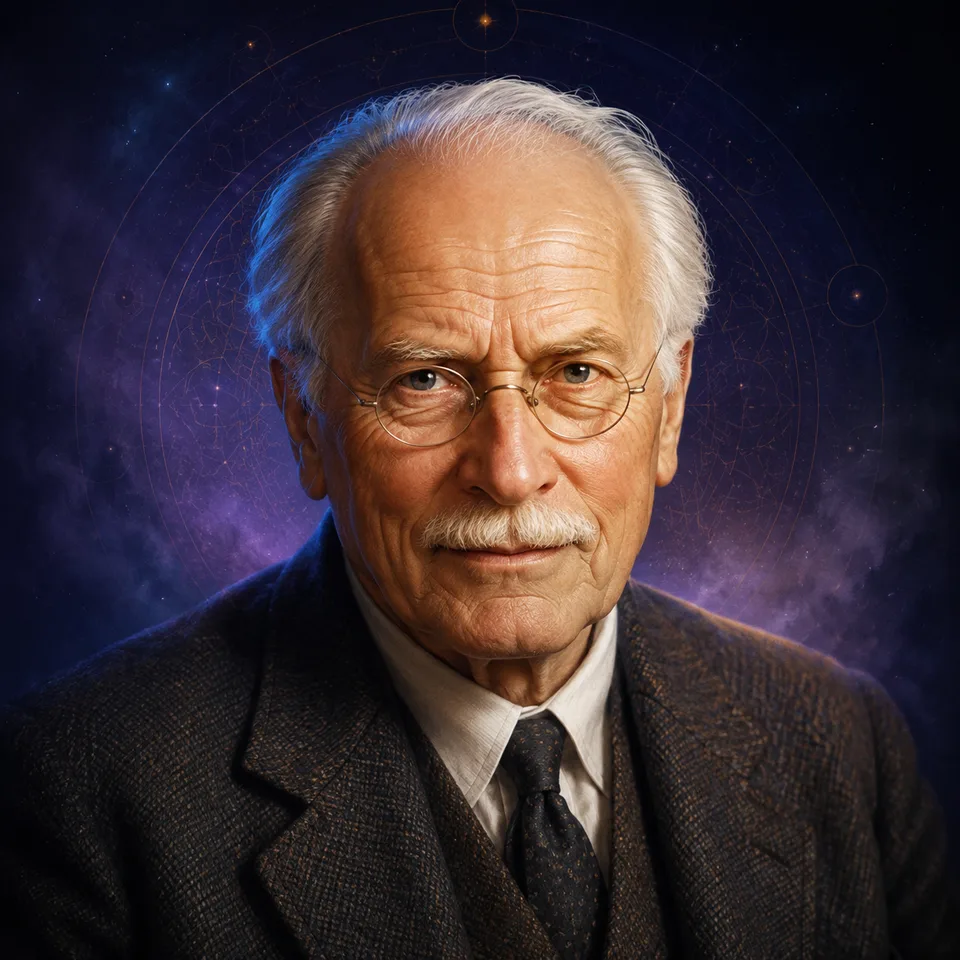
Jung placed greater emphasis on symbolic imagery, archetypes, and the possibility that dreams could compensate for imbalances in conscious life.
These ideas remain historically and culturally influential.
Modern empirical dream research uses a different toolkit.
Researchers study dream reports, sleep stages, waking experiences, memory, affect, neural activity, and statistical patterns.
Reviews comparing psychoanalytic theories with empirical research suggest a complex picture: some observations about personal significance and waking-life relationships remain relevant to discussion, but historical theories cannot simply be treated as experimentally proven decoding systems.
A Contextual Model of Dream Symbols
Instead of:
Snake → betrayal
consider:
Snake + emotion + personal association + dream context + waking-life context
Instead of:
Water → emotions
consider:
Water + what happened in the water + how the dreamer felt + memories connected to water
Instead of:
Teeth falling out → anxiety
ask whether:
- the person recently had dental treatment;
- appearance has been on their mind;
- the dream was frightening or merely strange;
- similar dreams recur;
- another recent experience could have contributed.
Context does not guarantee a correct interpretation.
It simply gives an interpretation more information to work with.
What Psychology Can and Cannot Tell You
Psychology can help investigate:
- recurring emotional themes;
- associations;
- memories;
- waking-life concerns;
- repeated patterns;
- how the dreamer understands the dream.
It cannot reliably establish:
“This exact symbol objectively means X for every human being.”
The scientific literature does not provide that kind of universal translation table.
A Useful Way to Explore Your Own Dream
Try writing four things:
1. What happened?
Describe the dream without interpreting it.
2. What did you feel?
Identify the strongest emotions.
3. What feels familiar?
List people, places, situations or themes connected to waking life.
4. What does the symbol mean to you?
Write your immediate associations before consulting any dictionary.
This does not transform dream interpretation into an exact science.
It simply keeps the interpretation grounded in the person who actually had the dream.
Explore With Razita
When using Razita, include the surrounding story and your emotional response instead of entering only one symbol. Try testing different nuances in our conversational dream simulator.
“Snake” contains far less information than:
“I saw a small snake in my childhood home. I wasn't afraid; I was trying to protect it.”
Context can completely change the possibilities worth considering. For comprehensive background on this approach, consult the Dream Science Hub.
Suggested references
- Schredl M, Hofmann F. Continuity between waking activities and dream activities. Consciousness and Cognition. 2003. DOI: 10.1016/S1053-8100(02)00072-7.
- Pesant N, Zadra A. Dream content and psychological well-being: a longitudinal study of the continuity hypothesis. Journal of Clinical Psychology. 2006. DOI: 10.1002/jclp.20212.
- Ruby PM. Experimental research on dreaming: state of the art and neuropsychoanalytic perspectives. Frontiers in Psychology. 2011. DOI: 10.3389/fpsyg.2011.00286.
- Domhoff GW, Schneider A. Similarities and differences in dream content at the cross-cultural, gender, and individual levels. Consciousness and Cognition. 2008. DOI: 10.1016/j.concog.2008.08.005.
Experience Your Own Dream Analysis
Connect your nocturnal visions with the scientific insights of Freud, Jung, and classical interpreters. Test Razita's conversational simulator right now.
✦ Interpreters & Schools Discussed in this Article
The theoretical frameworks of these thinkers provide foundation for this analysis:
✦ Key Dream Symbols Mentioned
In-depth psychological and historical interpretations of symbols featured in this article: