From Ibn Sirin to Jung: Why Dream Symbols Do Not Have One Universal Meaning
Do dream symbols have universal meanings? Explore how classical interpretations, psychology, and modern dream research differ from one-size-fits-all dream dictionaries.
Do Dream Symbols Have Universal Meanings?
In short: No. Current empirical sleep science and cognitive psychology have not established a universal symbol dictionary in which a specific dream image carries the same psychological meaning for every person.
Decades of peer-reviewed dream research demonstrate that dream content is largely governed by the continuity hypothesis: nocturnal imagery reflects the individual's personal memories, current waking concerns, emotional state, and autobiographical context. Specifically:
- Personal experience: The mind draws upon the dreamer's unique biographical memories rather than an impersonal code.
- Emotion matters: Emotional tone often organizes dream imagery far more reliably than the physical identity of the object.
- Waking-life context: Recent events, ongoing dilemmas, and daily concerns directly shape which elements are incorporated into sleep mentation.
- Cultural background: Symbolic associations differ significantly across languages, religious traditions, and cultural settings.
- Personal associations: An object that signifies warmth or nostalgia to one person can represent fear, trauma, or professional routine to another.
This lack of universal decoding does not imply that dreams are meaningless; rather, it indicates that meaning is contextual, individualized, and interpretive rather than predetermined.
From classical antiquities to modern sleep laboratories, thinkers have grappled with whether nocturnal visions constitute a universal cipher or a personal reflection. When examining figures as distant as second-century Artemidorus, eighth-century Muhammad Ibn Sirin, nineteenth-century Sigmund Freud, and twentieth-century Carl Jung, a striking consensus emerges beneath their differences: each recognized that an isolated dream image cannot be decoded without understanding the specific human being who dreamed it.
What Sleep Research Can Establish
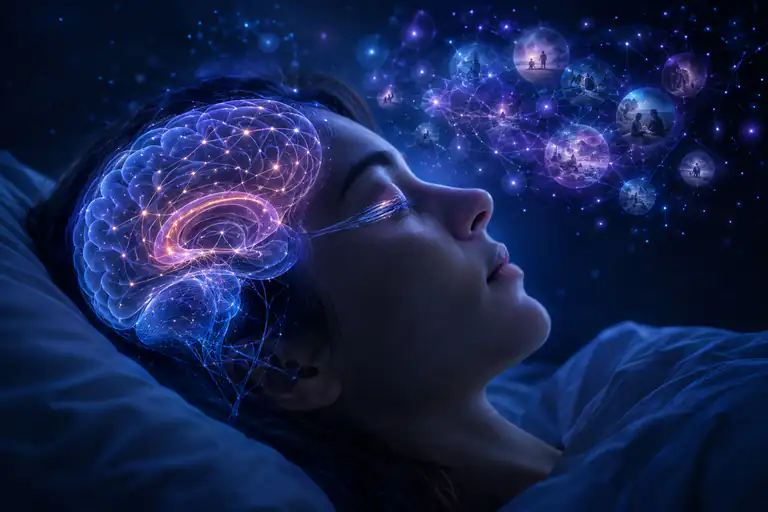
Modern empirical oneirology separates rapid-eye-movement (REM) sleep from non-REM stages, observing that dreaming occurs across the sleep cycle. Laboratory awakenings demonstrate that while REM dreams often feature heightened narrative density and emotional intensity, the sleep stage alone does not assign symbolic meaning to an image. In reviewing the scientific evidence for dream interpretation, researchers emphasize measurable mechanisms—such as memory consolidation and affective regulation—rather than fixed symbolic translation tables.
Findings regarding hippocampal memory reactivation suggest that daily experiences are reprocessed and integrated into long-term cortical networks during sleep. This cognitive reorganization often splices fragments of recent encounters with remote memories, producing novel scenarios that never transpired in waking reality. Consequently, attempting to map every nocturnal object to an invariant translation contradicts what neurobiology reveals about how memories are recombined.
The Continuity Hypothesis and Autobiographical Association
One of the most consistently supported concepts in contemporary dream science is the continuity hypothesis, articulated by Michael Schredl, G. William Domhoff, and their colleagues. This framework demonstrates that dream mentation reflects waking concerns, emotional preoccupations, and interpersonal relationships. However, this incorporation is selective rather than photographic.
A looming work deadline may surface as a missed train or a collapsing bridge; interpersonal tension may manifest as a locked barrier. Crucially, these connections are personal hypotheses, not universal equations. In the psychology of dream symbols, researchers observe that the dreamer's emotional involvement during wakefulness strongly predicts which waking experiences enter subsequent dream reports.
The Classical Perspective: Ibn Sirin and Artemidorus on Context
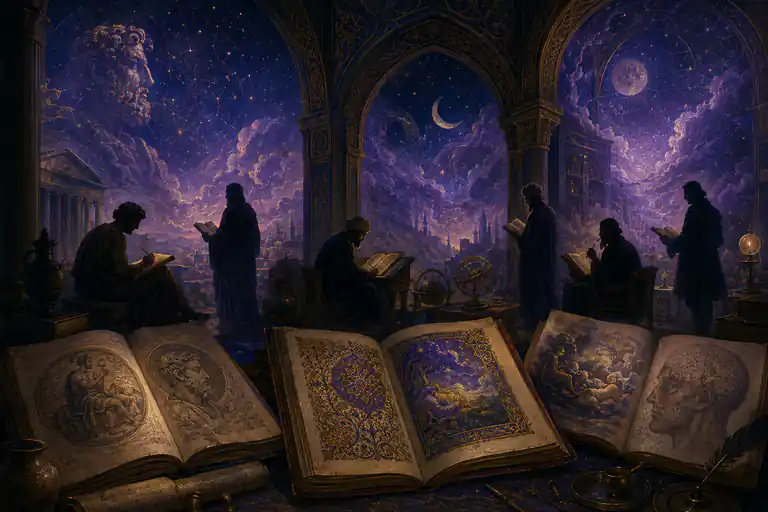
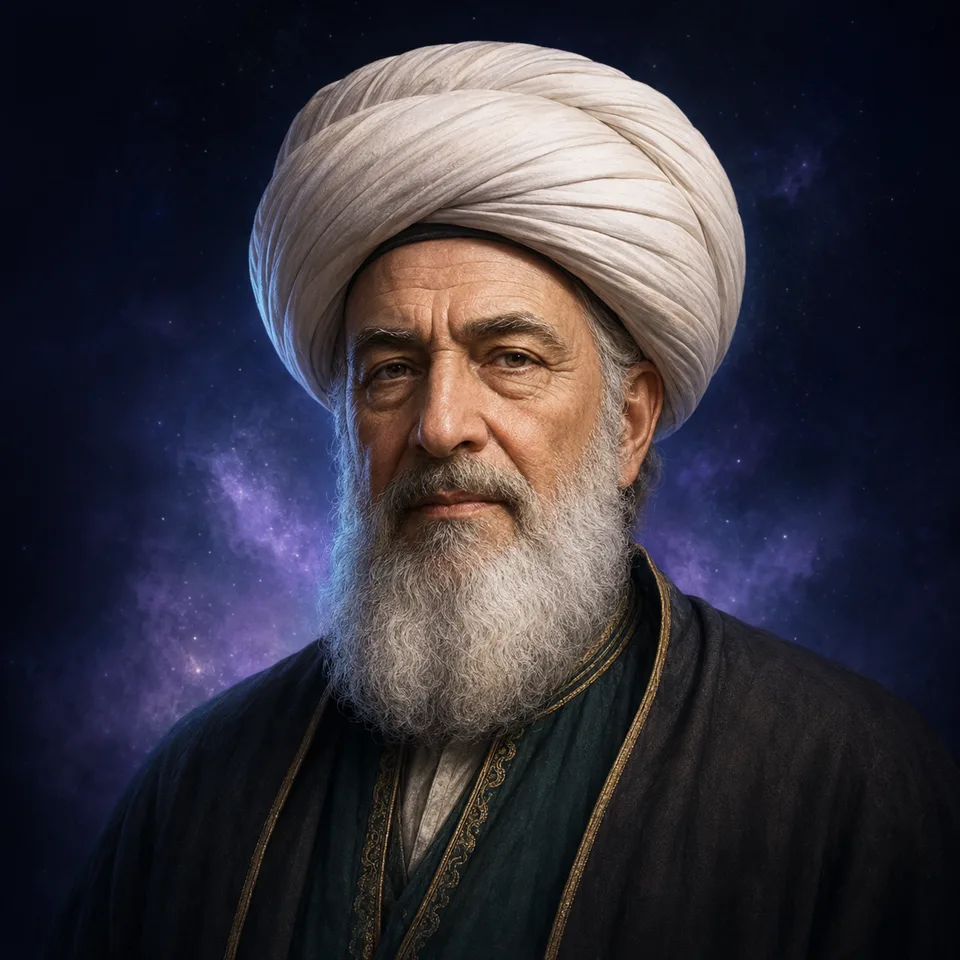
It is common to assume that ancient dream interpreters relied upon rigid lexicons. Yet historical scholarship reveals a far more nuanced picture. In the classical Islamic tradition, Muhammad Ibn Sirin (d. 728 CE) famously rejected mechanical decoding. He insisted upon detailed personal colloquy regarding the inquirer's occupation, domestic circumstances, financial obligations, and moral character before offering reflection.
The classical biographical compendia record that when two distinct individuals approached Ibn Sirin on the same afternoon, each reporting the identical dream of calling the Adhan (call to prayer) from a minaret, he offered diametrically opposite assessments. To the first, he anticipated an honorable pilgrimage; to the second, he cautioned against criminal accusation. When asked how the identical symbol could yield opposing reflections, Ibn Sirin explained that one man possessed the countenance of righteousness, while the other showed signs of deceit. Centuries earlier in Rome, Artemidorus Daldianus formulated the identical golden rule in his Oneirocritica: never judge a vision detached from the dreamer's station, profession, age, and health.
Freud, Jung, and the Shift Toward Modern Science
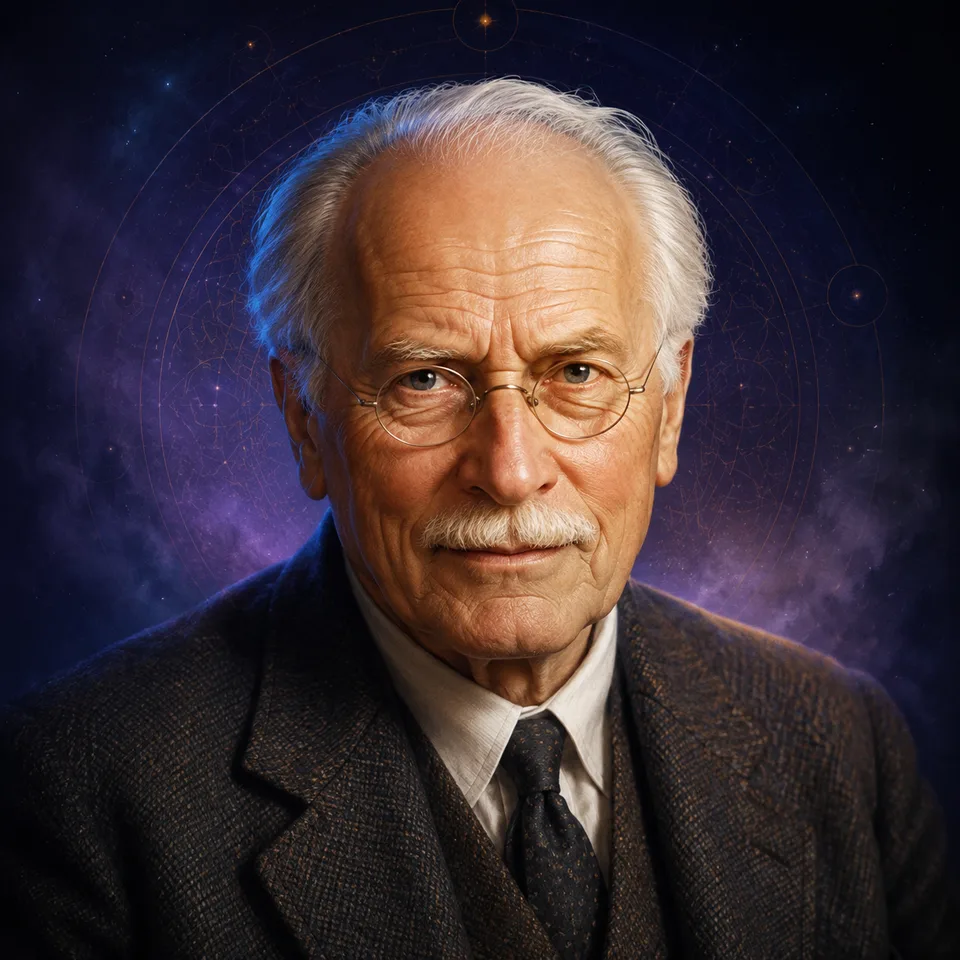
The transition into twentieth-century depth psychology brought two influential paradigms that continue to shape popular imagination. Sigmund Freud proposed that dreams represent disguised wish fulfillments, distinguishing between manifest imagery and latent thoughts. Carl Jung viewed dreams as compensatory mechanisms, introducing archetypal patterns and the collective unconscious. Our detailed comparative analysis of Freud, Jung and modern dream research contrasts these historical theoretical frameworks with testable laboratory findings.
While Freud and Jung recognized the primacy of personal association over fixed definitions, modern cognitive researchers maintain critical methodological distinctions. Archetypal theories remain compelling literary and therapeutic frameworks, but laboratory neuroscience does not validate claims of an innate, universal symbolic library hardwired into human neuroanatomy.
The Limitations of Fixed Dream Dictionaries
Commercial dream dictionaries typically claim that specific objects possess predetermined outcomes: a snake means treachery, water means emotion, teeth mean loss. In our examination of the limitations of fixed dream dictionaries, we outline why this reductive model fails:
- It strips away the emotional atmosphere (a peaceful encounter vs. a terror-inducing chase).
- It ignores personal history (a pet owner vs. an individual with a snake phobia).
- It negates narrative context (what preceded and followed the image).
- It ignores cultural divergence (a symbol revered in one society may be taboo in another).
Context does not provide absolute certainty, but it offers the only reliable grounding for responsible psychological reflection.
How Contemporary AI and Contextual Systems Approach Dreams
Recent advances in natural language processing allow computational systems to analyze long-form dream narratives, identifying thematic clusters, affective shifts, and structural patterns. As discussed in our review of AI dream interpretation, artificial intelligence can serve as a supportive exploratory assistant by asking clarifying questions and organizing motifs, but it cannot serve as an infallible oracle possessing an objective key to subconscious truth.
A Practical Method for Reflective Exploration
Readers wishing to reflect constructively on their nocturnal experiences without resorting to superstition can adopt a simple empirical protocol:
- Record the narrative immediately: Capture what happened without early interpretation or filtering.
- Identify the primary emotion: Note what was felt during the scene and upon waking.
- Map recent waking connections: List recent events, conversations, or dilemmas from the preceding 48 to 72 hours that carry a similar emotional charge.
- Brainstorm personal associations: Write down what each central motif means to you individually before consulting any external reference.
- Generate competing hypotheses: Formulate at least two alternative interpretations that connect the dream imagery to your waking life.
Conclusion
Dream symbols do not possess one universal meaning because human experience is not universal. The brain constructs nocturnal narratives from personal memories, affective concerns, and autobiographical narratives. When traditional semiotics, psychological nuance, and modern sleep science are synthesized, dream reflection ceases to be a search for predetermined omens and becomes an honest, disciplined dialogue with waking life.
To explore these intersecting domains further, visit our comprehensive Dream Science Knowledge Hub, test your personal reflections in the Razita dream reflection simulator, or review classical and psychological motifs in our dream symbol explorer.
Sources and Further Reading
- Schredl M, Hofmann F. Continuity between waking activities and dream activities. Consciousness and Cognition. 2003. DOI: 10.1016/S1053-8100(02)00072-7.
- Domhoff GW, Schneider A. Similarities and differences in dream content at the cross-cultural, gender, and individual levels. Consciousness and Cognition. 2008. DOI: 10.1016/j.concog.2008.08.005.
- Roesler C. Dream interpretation and empirical dream research — an overview of research findings and their connections with psychoanalytic dream theories. International Journal of Psychoanalysis. 2023. DOI: 10.1080/00207578.2023.2184268.
- Hudachek L, Wamsley EJ. A meta-analysis of the relation between dream content and memory consolidation. Sleep. 2023. DOI: 10.1093/sleep/zsad111.
- Ruby PM. Experimental research on dreaming: state of the art and neuropsychoanalytic perspectives. Frontiers in Psychology. 2011. DOI: 10.3389/fpsyg.2011.00286.
- American Academy of Sleep Medicine. International Classification of Sleep Disorders: Nightmares and Parasomnias. 3rd ed.
Experience Your Own Dream Analysis
Connect your nocturnal visions with the scientific insights of Freud, Jung, and classical interpreters. Test Razita's conversational simulator right now.
✦ Interpreters & Schools Discussed in this Article
The theoretical frameworks of these thinkers provide foundation for this analysis:

✦ Key Dream Symbols Mentioned
In-depth psychological and historical interpretations of symbols featured in this article: